
Septic Pump & Repair in South Staples, Corpus Christi TX
South Staples (ZIP 78413) sits within the Corpus Christi TX service area. South Corpus Christi affluent corridor along Staples. 1980s through 2010s housing stock with established subdivisions. Less salt-air exposure than the barrier island, with typical Coastal Bend humidity and named-storm risk.
Higher property values drive higher-end work scope. Buyers expect documented credentials, written estimates, and photo-progress updates.
For septic pump & repair, the service area covers roughly 60 miles from central Corpus Christi. Urgent requests can be submitted any time; response time depends on the local provider.
Common reasons to call
- Overdue septic pump-out (every three to five years recommended)
- Toilets and drains backing up slowly throughout the house
- Standing water or sewage smell over the drain field
- Septic alarm activating (aerobic system)
- Real-estate transaction inspection
- Aerobic system maintenance contract
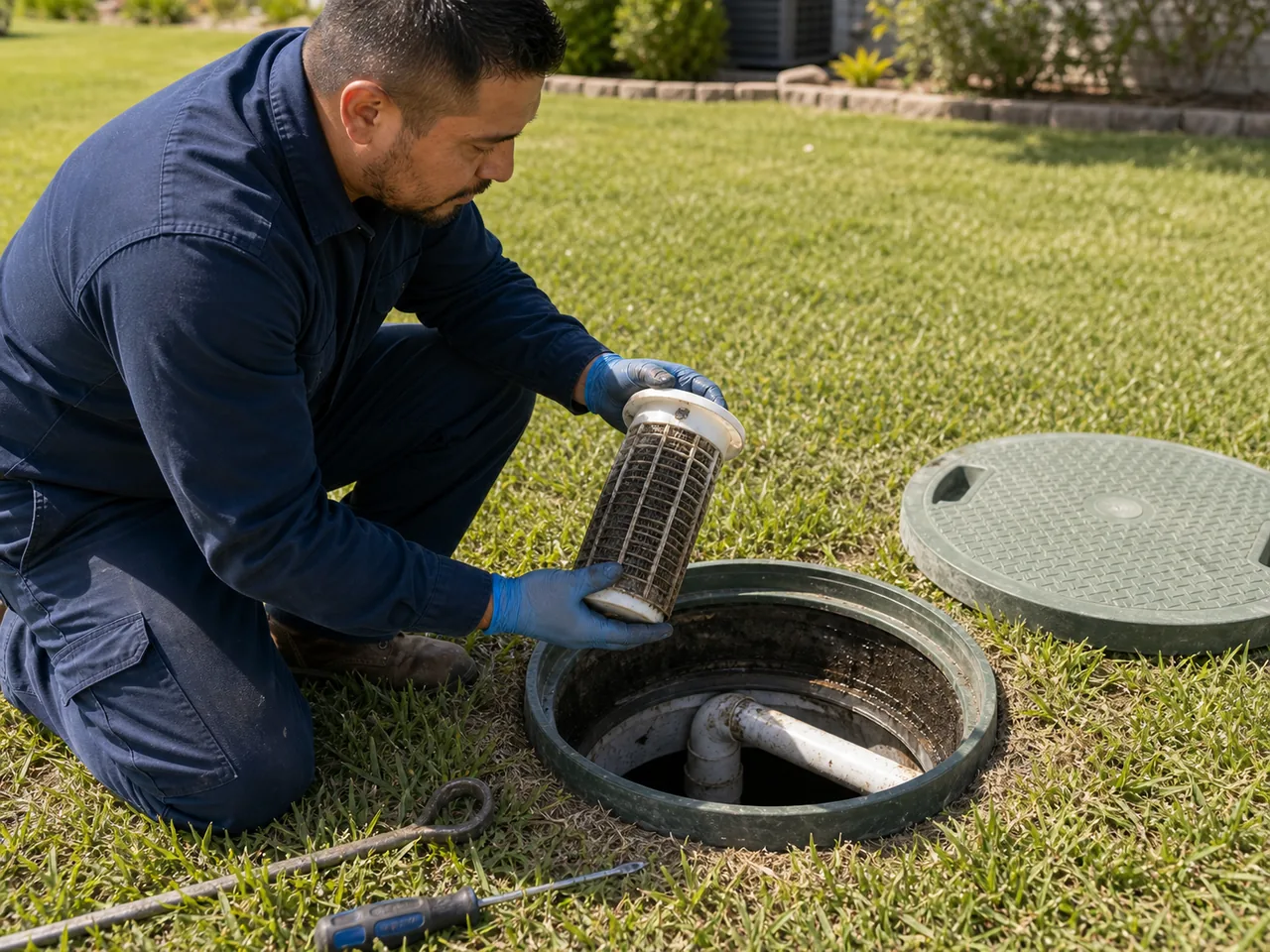
- Filter clean on the outlet baffle
- Drain-field problems and possible repair or replacement
Typical work
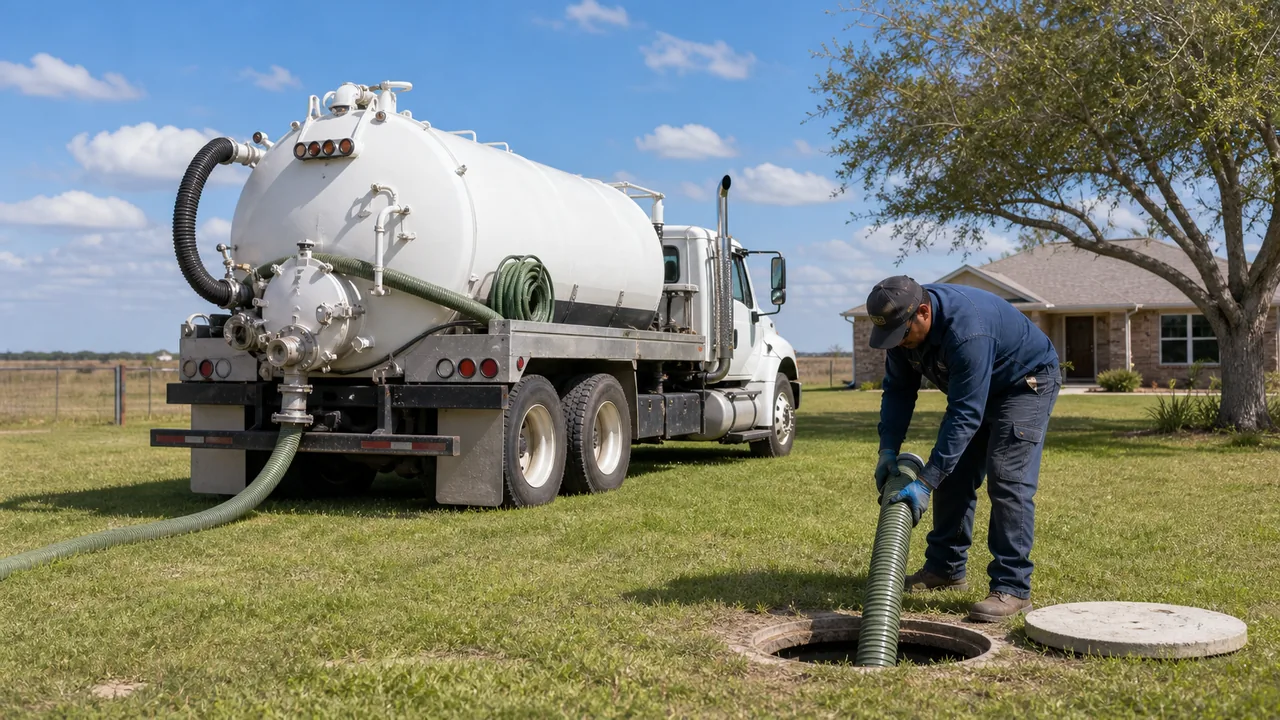
- Pump and clean a 1,000 to 1,500 gallon septic tank
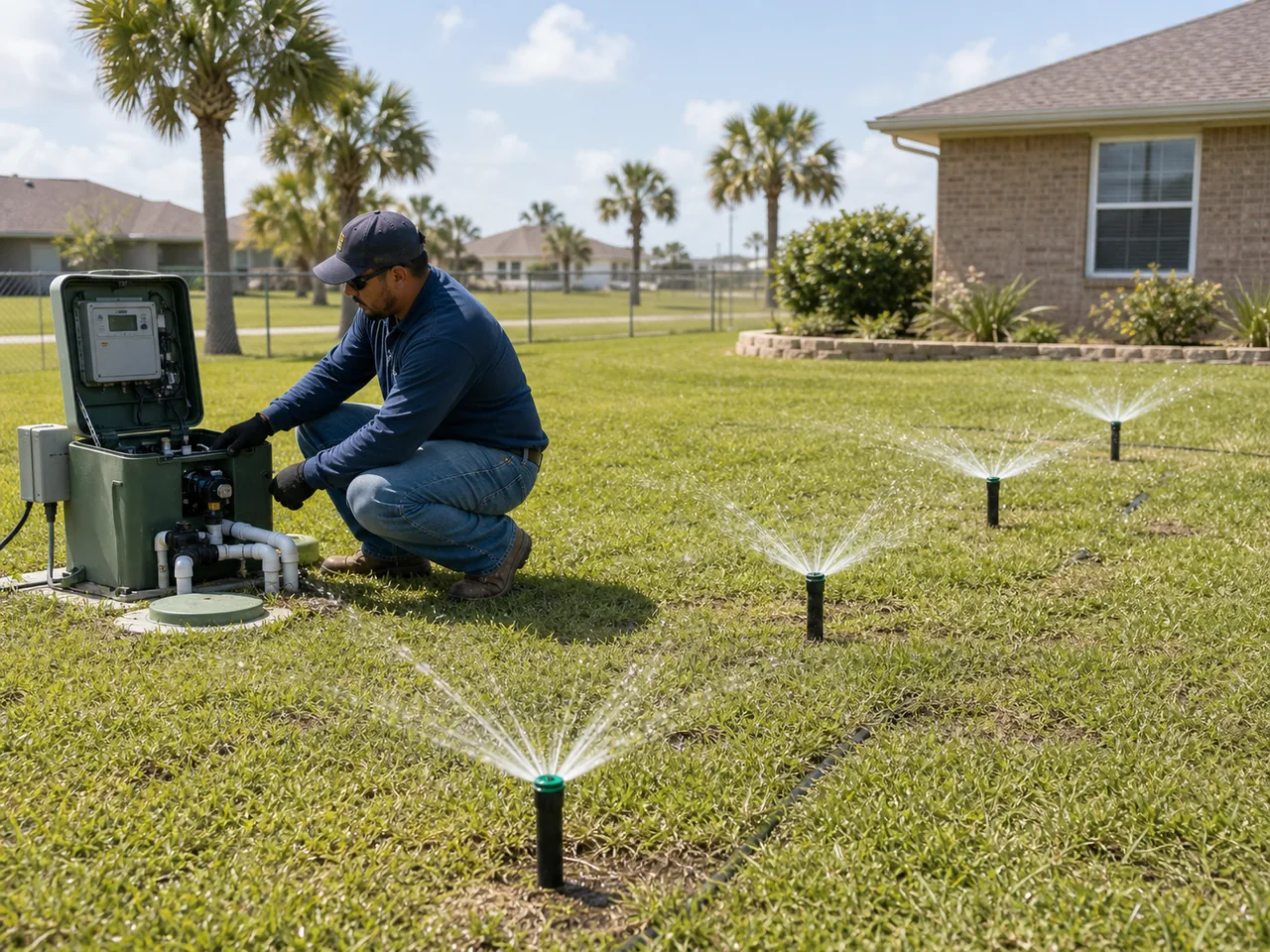
- Pump and inspect an aerobic system, including spray-field check
- Replace effluent filter on the outlet tee
- Locate buried tank using probe and as-built record
- Pump aerobic with treatment-tank inspection and chlorine top-off
- Repair or replace baffle, riser, or lid
- Drain field assessment with dye test
- Maintenance contract for aerobic systems (TCEQ requirement)
Typical turnaround
Routine pump-out scheduled within two to five business days. Backup emergencies (sewage in the house) dispatch same-day where access permits.
Job sizes
Minor
Filter clean, riser install, simple baffle repair
Standard
Routine pump-out of a 1,000 to 1,500 gallon tank
Major
Aerobic system pump with treatment-tank service, drain field assessment
Replacement
Drain field repair or full system replacement (requires permit)
Final pricing comes from the on-call provider after on-site assessment, with a written estimate before any work starts.
What to expect
- ✓TCEQ-licensed pumper and aerobic maintenance providers
- ✓Nueces County permits on file
- ✓Receipts include license numbers, gallons pumped, and tank condition
- ✓TOWA (Texas On-Site Wastewater Association) industry standards
TCEQ-licensed installer or maintenance provider, Nueces County permit on file, TOWA (Texas On-Site Wastewater Association) membership.
Common questions
How often should I pump my septic tank?
Every three to five years for a typical single-family home, sooner with heavy use or a garbage disposal. Aerobic systems require quarterly maintenance inspections per TCEQ rules. Separate from pumping.
How do I know if it is the septic or just a clogged drain?
If every drain in the house backs up at once, or if drains gurgle when you flush, that points at the tank. A single clogged drain is usually a plumbing issue. The technician confirms which during the call.
What is an aerobic system and do I have one?
Aerobic septic uses air-pumps and a spray field instead of a gravity drain field. Most Coastal Bend homes built after the early 2000s outside city sewer have aerobic. If you have an alarm box on the side of the house or a spray-head pattern in the yard, you have aerobic.
Are you TCEQ licensed?
Yes. We route to TCEQ-licensed pumpers and maintenance providers. License numbers print on every receipt.
My alarm is going off. What now?
Aerobic alarms mean the air pump or a treatment component has stopped working. Call. The technician troubleshoots on site. Many alarms are a tripped breaker or a worn diffuser, which are quick fixes.
I cannot find the tank. Can you locate it?
Yes. The technician uses a probe, looks at the county as-built record on file, and follows the cleanout line from the house. Installing a riser at the same visit saves digging on future pump-outs.
Do I need a maintenance contract?
If you have an aerobic system in Nueces County, yes. TCEQ requires it. A contract covers three inspections per year and meets state and county filing requirements.
Coastal Bend seasons
Spring (March - May)
Heavy rain saturates drain fields. Backups peak. Pump-outs and drain-field assessments are most common in March through May.
Summer (June - August)
Aerobic spray fields visible in dry grass. Easier to see and service.
Fall (September - November)
Pre-hurricane prep. Get pumped before any named storm in the Gulf to reduce risk of overflow.
Winter (December - February)
Slow season. Best pricing for routine pump-outs.